
7 Warning Signs Your Roof Needs Repair Before It’s Too Late
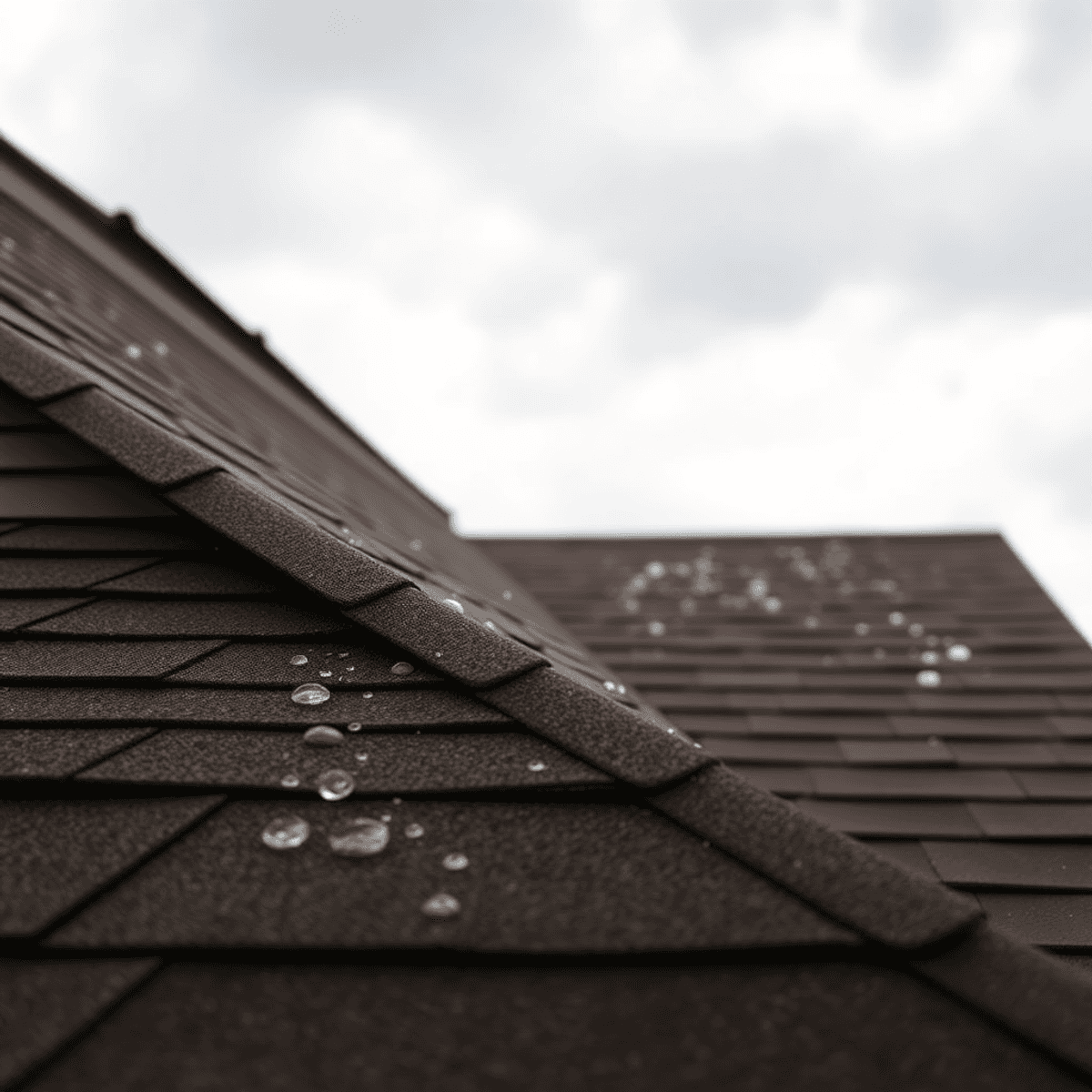
A well-maintained roof is essential for protecting your home against the unpredictable Essex weather. Recognising common signs your roof needs repair can prevent minor issues from turning into costly, stressful problems.
Ignoring subtle roof repair signs often leads to water damage, reduced insulation efficiency, and structural concerns. Early detection not only saves money but also extends the lifespan of your roofing system.
This article aims to educate homeowners in Essex about key indicators of home roofing issues. By understanding these warning signs, you can take timely action to safeguard your property and maintain peace of mind. Whether you’re dealing with ageing materials or storm damage, knowing what to look for is the first step towards effective maintenance.
Read on to discover the seven critical warning signs that suggest your roof needs repair before it’s too late. If you find yourself in need of a new roof installation, Ridgecare Roofing offers professional services. They also provide expert roof repairs and maintenance services to help you deal with those pesky roof repair signs. Additionally, if you’re looking to enhance your home’s exterior with new fascias, soffits or guttering, their fascias, soffits and guttering services are worth considering.
1. Leaks: The Most Obvious Sign Your Roof Needs Repair
Roof leaks are one of the most obvious signs that your roof needs attention. They tend to happen more often in roofs older than 15 years, as materials wear out and seals become weak over time. Finding out where the leaks are coming from and how bad they are is important for fixing them effectively.
Common Minor Leaks
These issues can usually be fixed relatively easily if caught early:
- Nail pops leaks: These happen when nails loosen or stick out through the roof surface, letting water in.
- Cracked or damaged pipe boots: Pipe boots seal around plumbing vents; cracks here allow water to enter.
Major Leaks
Major leaks may come from:
- Poor installation practices causing gaps or weak spots.
- Aging materials that have become brittle or worn out.
- Damaged flashing or widespread shingle failure.
Ignoring even small leaks can lead to serious problems such as:
“Water damage to the structural timbers, insulation saturation, and the growth of mould and mildew.”
Mould not only affects air quality but can also cause health problems for people living in the house. Water damage weakens roof decking and ceilings, which could result in expensive repairs beyond just the roof itself.
Detecting leaks early, whether minor or major, helps protect your home’s structure and saves money by preventing extensive damage. Regular inspections and quick leaking roof repairs are essential steps for any homeowner worried about long-term maintenance. In cases of severe leakage, emergency roof repairs may be needed to stop further damage.
2. Damaged Shingles: Identifying Physical Roof Wear
Shingles are an essential component of your roof, providing protection against the elements. However, over time, they can suffer from various forms of damage that compromise their effectiveness. Here are some common types of shingle damage to look out for:
1. Cracked Shingles
Cracked shingles are a common issue caused by age or impact damage. They can lead to water infiltration and further roof deterioration.
2. Curling Shingles
Curling shingles indicate weathering and potential water damage. This can compromise the roof’s ability to shed water effectively.
3. Missing or Broken Shingles
When shingles go missing or break off, it exposes the underlying structure to the elements, increasing the risk of leaks and further damage.
Significance of Each Type
- Cracking and curling issues suggest aging and wear on the roof, potentially reducing its lifespan and effectiveness in protecting your home.
- Besides being unsightly, missing shingles create vulnerabilities that may lead to water leaks, especially during storms.
Insurance Claim Possibilities After Storms
Damaged or missing shingles due to storms can often be covered by insurance policies. Promptly addressing these issues can help homeowners navigate the claims process more effectively.
By understanding the various signs of damaged shingles and their implications for your roof’s health, homeowners can take proactive steps to address these issues before they escalate. Regular inspections and timely repairs are key to maintaining a structurally sound and watertight roof.
3. Vegetation Growth on Roof Surfaces
Moss on roof surfaces is a common sight in damp, shaded areas of Essex homes. This growth signals that moisture is being retained longer than normal, often due to poor drainage or prolonged shade. Moss thrives in these conditions because it absorbs water and nutrients from the environment, which can cause the roofing materials beneath to stay wet for extended periods.
Algae streaks on shingles differ from moss in appearance and effect. While moss forms clumps or mats, algae create dark, often black streaks that spread across the roof surface. Algae are less damaging than moss but indicate excess moisture and organic material buildup.
How Vegetation Can Damage Your Roof
Vegetation growth on your roof can lead to various issues, including:
- Trapped moisture: Moss can retain moisture against the roofing materials, leading to wood rot or degradation of underlayment.
- Lifting or breaking of shingles: The roots of moss can penetrate the surface of shingles, causing them to lift or break.
- Increased weight: The accumulation of moss or algae adds weight to the roofing structure, potentially causing stress.
- Accelerated deterioration: Both moss and algae can contribute to the deterioration of roofing materials, reducing the overall lifespan of your roof.
Ignoring moss and algae growth increases the risk of leaks and structural issues over time.
Professional Cleaning for Safe Removal
Professional cleaning is recommended to safely remove vegetation without harming shingles. Techniques include soft washing with specialised solutions designed to kill moss and algae while protecting roofing materials. Homeowners should avoid power washing as it may strip protective granules from shingles.
Importance of Regular Inspections
Regular inspections help catch vegetation growth early, identifying one of the common signs your roof needs repair before more severe damage occurs.
4. Loose Granules in Gutters and Their Implications
Role of Granules in Protection
Granules on asphalt shingles play a crucial role in shielding the roof from fire hazards and harmful UV rays.
Indicator of Roof Condition
Discovering loose granules in your gutters can be a sign of aging materials or damage caused by severe weather conditions like storms.
Sign for Replacement
When significant granule loss is noticed, it may indicate the need for a complete roof replacement to ensure continued protection and longevity.
5. Structural Concerns: Sagging Roofs and Attic Damage
A sagging roof can be a sign of serious structural issues that require immediate attention. Here are some key points to consider:
Causes of a Sagging Roof
Excess load or water damage can lead to structural issues. It’s important to identify the cause of the sagging roof in order to address the problem effectively.
Signs in the Attic
Look for rot or discoloration in decking as potential indicators of problems. These signs may suggest that there is ongoing water damage affecting the roof structure.
Urgency of Professional Inspection
Immediate inspection is crucial to prevent further structural failure. If you notice any signs of a sagging roof or attic damage, it’s essential to contact a professional roofer or structural engineer for an evaluation.
6. Interior Warning Signs: Water Leaks and Visible Exterior Light in Attic
Spotting attic water leaks or interior ceiling leaks early can prevent extensive damage. During rainfall, check ceilings and walls for:
- Discoloured patches: Yellow or brown stains often signal water intrusion.
- Peeling paint or wallpaper: Moisture weakens adhesives, causing surfaces to deteriorate.
- Damp or musty odour: Persistent smells may indicate hidden moisture in the attic or ceiling space.
Inspecting the attic with a torch can reveal light through attic gaps. These bright spots mean holes, cracks, or missing shingles allow external light inside. Such openings are clear evidence of compromised roofing integrity.
Ignoring these signs carries risks including:
- Accelerated wood rot damaging structural components
- Growth of mould and mildew affecting indoor air quality
- Increased energy costs due to loss of insulation efficiency
- Potential for pests entering through gaps
Regular checks during wet weather and attic inspections help catch these common signs your roof needs repair. Early intervention by professionals reduces costly repairs down the line and protects the home’s interior from serious harm.
7. Indirect Indicators of Roof Problems: Blocked Gutters & Rising Energy Bills
When it comes to identifying potential roofing issues, there are indirect signs that can provide valuable insights. Two such indicators are blocked gutters and rising energy bills. Let’s explore how these factors can point towards underlying roofing problems.
1. Clogged Gutters Consequences
Blocked gutters can have detrimental effects on your roof and home. When leaves, debris, and other materials accumulate in the gutters, they prevent proper water drainage. As a result, water may back up and seep into the roof, leading to leaks and structural problems over time.
2. Poor Ventilation Impact
A damaged or deteriorating roof can also impact the ventilation system of your home. If the roof is not properly ventilated, hot air may become trapped in the attic during summer months or warm air may escape during winter months. This can lead to increased heating and cooling costs as your HVAC system works harder to maintain comfortable temperatures.
3. Maintenance Importance
To prevent these issues from arising, it’s crucial to prioritize regular maintenance for both your gutters and roof. Here are a few key actions you can take:
- Schedule routine gutter cleanings at least twice a year.
- Inspect your roof for any signs of damage such as missing shingles or sagging areas.
- Ensure that vents are clear and functioning properly.
By staying proactive with maintenance tasks, you can mitigate the risk of blocked gutters and poor ventilation impacting your energy bills while safeguarding the integrity of your roofing system.
Bonus Section: Monitoring Neighbourhood Roof Conditions as a Preventive Measure
Keeping an eye on neighbourhood roof replacements offers valuable insight into the health of your own roof. If several nearby homes with similar roofing materials and age are undergoing repairs or full replacements, it often signals common wear patterns or damage affecting your area.
Environmental Factors Impacting Essex Roofs
- Storm damage signs Essex roofs frequently show include missing shingles, dents, or granule loss after heavy winds and hail.
- Exposure to harsh weather, coupled with natural ageing, accelerates deterioration.
- Moisture from frequent rain can weaken roofing components over time.
When to Consider Scheduling an Inspection
- Notice a cluster of homes within your neighbourhood replacing roofs or reporting storm damage.
- After severe weather events that may have impacted surrounding properties.
- If local roofing contractors report increased demand for repairs in your area.
Observing these patterns helps homeowners act proactively rather than reactively. Using neighbourhood trends as a reference point supports timely inspections and maintenance, potentially extending the lifespan of your roof and avoiding costly emergency repairs.
Conclusion
- Protect Your Investment: Don’t wait for roof problems to escalate; act now to safeguard your home.
- Expert Inspections: Contact Ridgecare Roofing for professional roof inspections in Essex. Our team specializes in various roofing services including leadwork, slate roofing, and flat roofing.
- Early Detection Saves Money: Identifying issues early can prevent costly repairs down the line.
- Take Action Today: Schedule a free roof survey with Ridgecare Roofing to ensure your peace of mind.
Remember, timely intervention can make all the difference in maintaining a healthy and durable roof. Contact Ridgecare Roofing today through our contact page to benefit from expert advice and top-notch services in Essex.